Pain Physical Therapy
Chronic SI Joint Pain Relief Lake Orion: A Root-Cause Guide
One-sided pain low in your back or deep in the buttock that bites when you roll over in bed is classic SI joint. The joint is built for stability, not motion. When the chain above it fails, the SI joint pays. Here is how we find the cause.
Start Feeling Better Today
Stop managing pain. Start hunting the cause.
$99 · No Referral Needed
The guide · 5
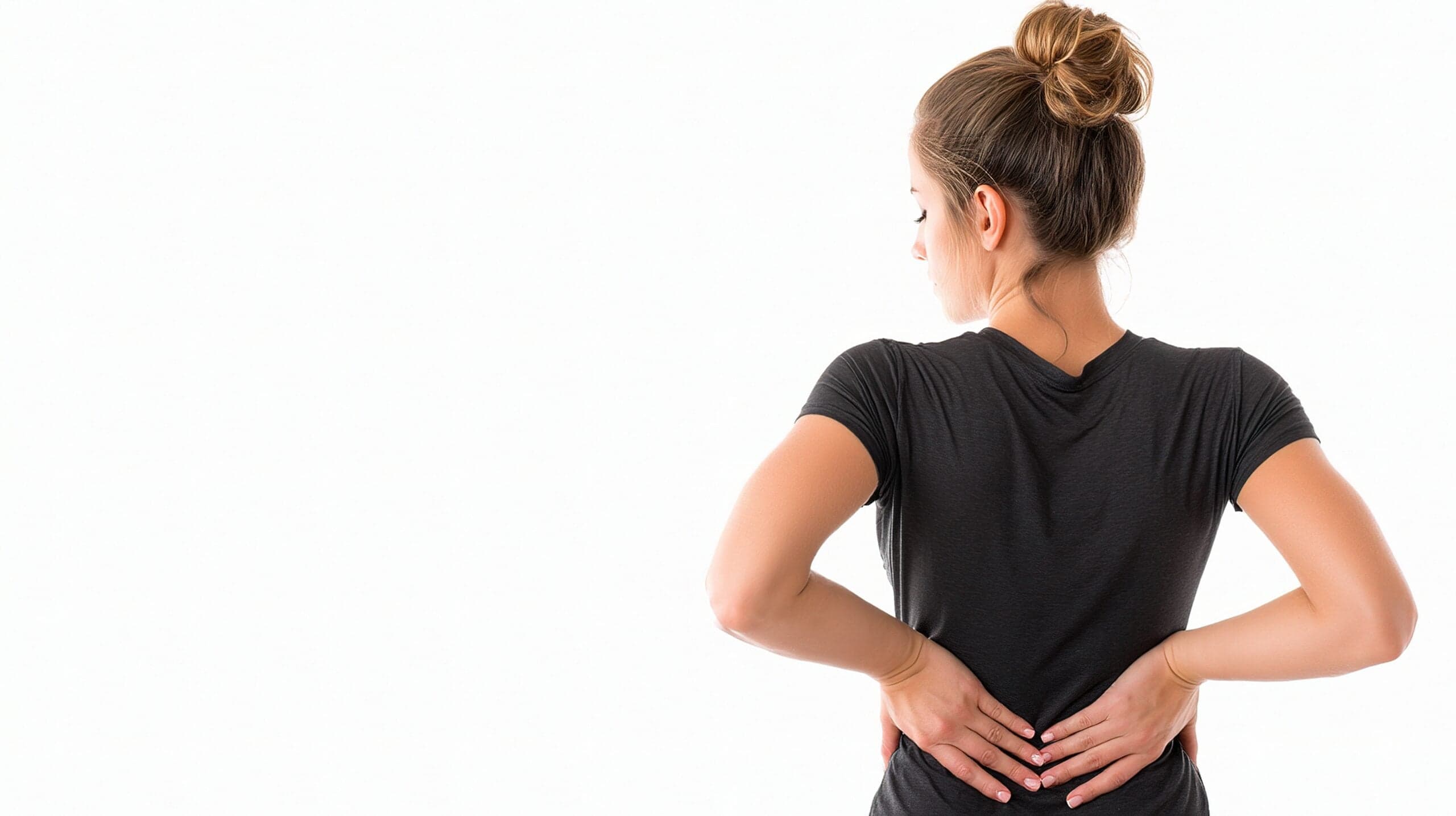
It is one-sided. It sits low, in your back, your buttock, or deep in the pelvis, and it has a signature move: rolling over in bed, getting out of the car, or shifting your weight from one foot to the other lights it up. You have probably been told it is your SI joint, handed a belt, given some glute bridges, and sent on your way. The belt helps a little. The pain comes back. For the active adult who will not stop training, that cycle is maddening, because the real driver is almost never the joint itself. Lasting chronic SI joint pain relief Lake Orion athletes can rely on starts by looking up the chain, not at the joint.
The kinetic chain angle
The sacroiliac joint sits between the sacrum and the ilium, connecting your spine to your pelvis. It is built for stability, not motion. It is meant to transfer load, not produce movement. When stability fails, the joint shears under load and that is when it produces pain.
Here is the part most treatment misses. The SI joint rarely fails on its own. It fails because the chain around it stopped doing its job and handed the joint motion it was never designed to absorb. A hip that lost extension forces the pelvis to make up the difference. Glutes that stopped firing leave the joint without its primary stabilizer. A thoracic spine that quit rotating pushes rotational load down into the pelvis. The SI joint becomes the shock absorber for a system that is asking it to move when its only job was to stay still.
Add a common trigger, prolonged sitting, pregnancy, post-surgical recovery, or a functional leg-length difference, and the underlying pattern gets exposed. The pain shows up at the joint. The cause sits in a stiff hip, quiet glutes, and a mid-back that stopped rotating. That is why the belt and the bridges only go so far.
The patterns we see most often
Chronic SI joint trouble tends to show up in a few familiar profiles, and in each one the joint is the victim of a chain that stopped sharing load.
The sitter. Long hours in a chair or a car shut the glutes down and pull the hip flexors tight. The pelvis loses its active support, so every time you stand, twist, or climb stairs the joint absorbs shear it should never see. The ache is worst on the first few steps after getting up.
The one-sided athlete. Runners, golfers, and anyone who rotates or loads through a single leg drive repeated asymmetrical force through the pelvis. When a stiff hip or a mid-back that stopped rotating cannot spread that load, the working side takes the hit and stays irritated.
The postpartum athlete. Pregnancy shifts the pelvis, softens ligaments, and parks the deep stabilizers offline. Getting back to real training on that foundation exposes the joint fast, which is why the ache often lingers well after delivery.
Different bodies, same mechanism. The joint hurts because the links around it quit doing their share. Find those links and the joint stops paying for them.
How we treat this one-on-one at Thera Performance Lab
At TPL you spend the full hour one-on-one with Dr. Mani, a Doctor of Physical Therapy. No aides, no shared attention across a room. It begins with the Complete Kinetic Chain Assessment, a full-body screen that tests how your hips, pelvis, lumbar spine, and thoracic spine share load, so we can see what is feeding motion into the SI joint instead of guessing.
Then we treat the cause we find. If the hip lost extension, we restore it so the pelvis stops compensating. If the glutes went quiet, we wake them up and rebuild them as the joint's real stabilizer. Where guarded, overworked muscle around the pelvis keeps the joint locked and angry, targeted dry needling calms it so the new stability work can take hold. Because TPL is cash-based, the plan follows what actually resolves your pain and returns you to full output, not what a billing code allows.
Sessions build in a clear order. First we free the stiff hip and quiet the guarded tissue so the pelvis can move without pinching the joint. Then we rebuild glute strength and trunk control so that stability holds under real load. You leave each visit with specific homework, not a generic sheet of bridges.
Frequently asked questions
How do I know if it is my SI joint or my lower back?
SI joint pain is usually one-sided, sits below the belt line in the back, buttock, or pelvis, and flares with single-leg loading and position changes like rolling over or standing from a chair. Lumbar pain more often centers on the spine and changes with bending or arching. The two frequently travel together, which is why a full assessment that tests the hip, pelvis, and spine as a system is the reliable way to sort it out.
Will an SI belt fix the problem?
A belt can reduce pain by adding external compression and stability, which is genuinely useful in a flare. It does not address why the joint lost stability in the first place. If the hip, glutes, and mid-back are not restored, the belt becomes a permanent crutch rather than a step toward resolution. We use short-term support when it helps and build the real stability underneath it.
I am pregnant or postpartum and my SI joint hurts. Can you help?
Yes, this is a common and very treatable pattern. Pregnancy shifts load, changes pelvic mechanics, and adds ligament laxity, which exposes any weakness in the chain. Care is tailored to your stage and cleared activity level, focused on restoring stability and easing load through the pelvis. We coordinate with your physician when appropriate so the plan stays safe.
How long does it take to get lasting relief?
Most people feel the daily pain ease within the first few visits as hip mobility and glute control improve. Durable resolution depends on how long the pattern has been in place and how consistent the home work is. We give you an honest timeline in the assessment rather than an open-ended plan of care.
Can I keep running or lifting while we fix it?
Usually yes, with smart adjustments. The aim is to keep you training while we offload the joint and rebuild the stability underneath it. We scale volume, tweak single-leg loading, and clean up rotation so you stay active instead of shutting down for weeks. Total rest tends to deload the very muscles the joint needs, so we keep you moving on purpose.
Could it be a disc or my hip instead of the SI joint?
It can, and telling them apart matters. Disc pain often changes with bending and can send symptoms down the leg. Hip joint pain usually sits in the groin and flares with deep squatting or pivoting. The three overlap constantly, which is exactly why we screen the whole region rather than treating a label. The assessment sorts out which structure is actually driving your pain before we build the plan.
Ready to find the root cause?
Book your Complete Kinetic Chain Assessment for $99, no referral needed. One hour, one-on-one, full-body. We don't treat where it hurts. We hunt what's causing it. See how we approach SI joint pain and the chain that drives it.
Get in touch for questions before booking.