Back Pain Physical Therapy
Why does my back hurt after golf and how can I prevent it?
Back pain after golf isn’t just about age or overuse—it’s often caused by tight hips, poor mobility, or movement breakdowns in your swing. At Thera Perf...
Start Feeling Better Today
Stop managing pain. Start hunting the cause.
$99 · No Referral Needed
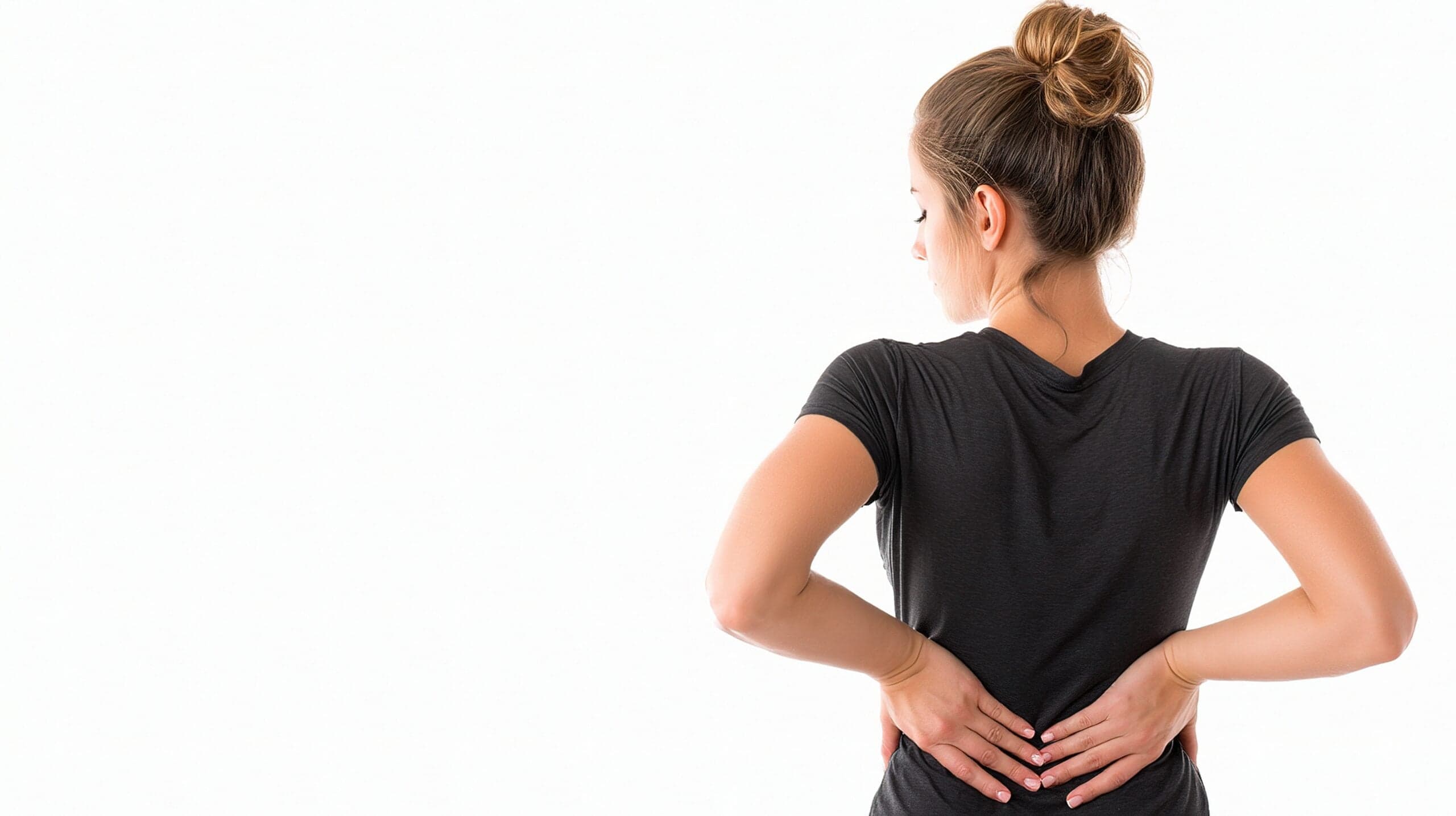
If your back feels tight, sore, or downright painful after a round of golf—you’re not alone. This is one of the most common issues we see at Thera Performance Lab, and the good news is: it’s fixable.
Let’s talk about why it’s happening—and how we can help you get back on the course pain-free.
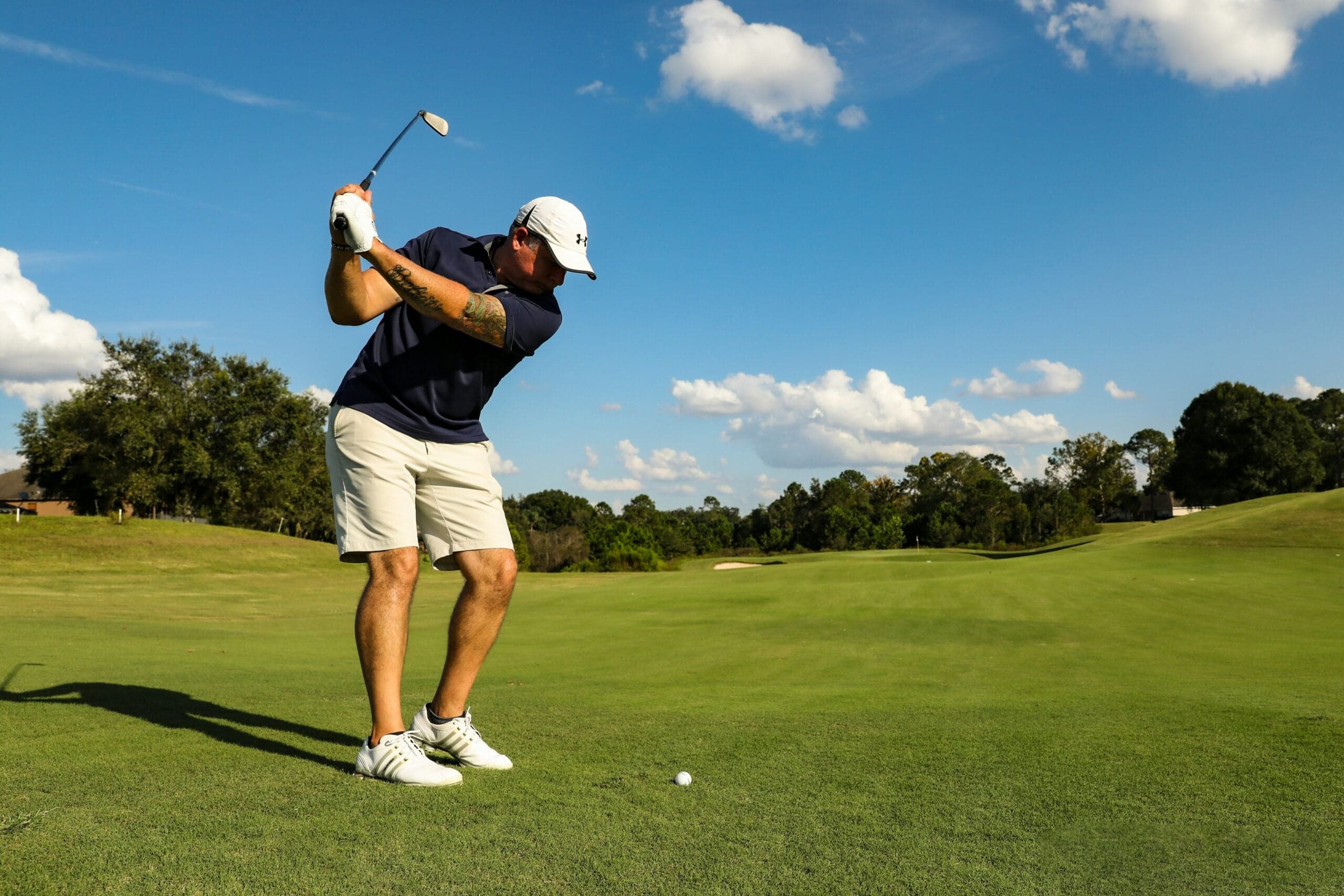
Why does my back hurt after golfing?
Golf puts a surprising amount of stress on your body—especially your spine. If your hips, core, or mid-back aren’t moving efficiently, your low back ends up doing too much. According to the Titleist Performance Institute, most golf-related injuries stem from mobility restrictions and poor movement sequencing—not the swing itself. Learn more from TPI’s research
Common culprits:
-
Tight hips or restricted thoracic rotation
-
Weak glutes or core, which shifts pressure to your spine
-
Early extension or “reverse spine angle” during your swing
-
Repetitive strain without proper recovery
Bottom line: when one part of your body isn’t pulling its weight, your back takes the hit.
- That your hip just doesn’t “move right”
I’ve tried stretches and massages—why doesn’t the pain go away?
Because most treatments focus on surface-level relief. At Thera Performance Lab, we do things differently.
We follow a proven 3-step process:
Reset. Rehab. Relief.
-
RESET – We identify and release the underlying restrictions causing pain.
-
REHAB – We reprogram your movement patterns using tailored exercises and mobility training.
-
RELIEF – We help you maintain lasting results with smart recovery and performance care.
What makes your treatment so unique for golfers?
We combine Titleist Performance Institute (TPI) screening with a powerful blend of:
-
Robotic Physical Therapy (Rx2600 therapeutic arm) This tool delivers precise, sustained pressure, vibration, and heat—going deeper than human hands can—to release muscle tension and restore motion.
-
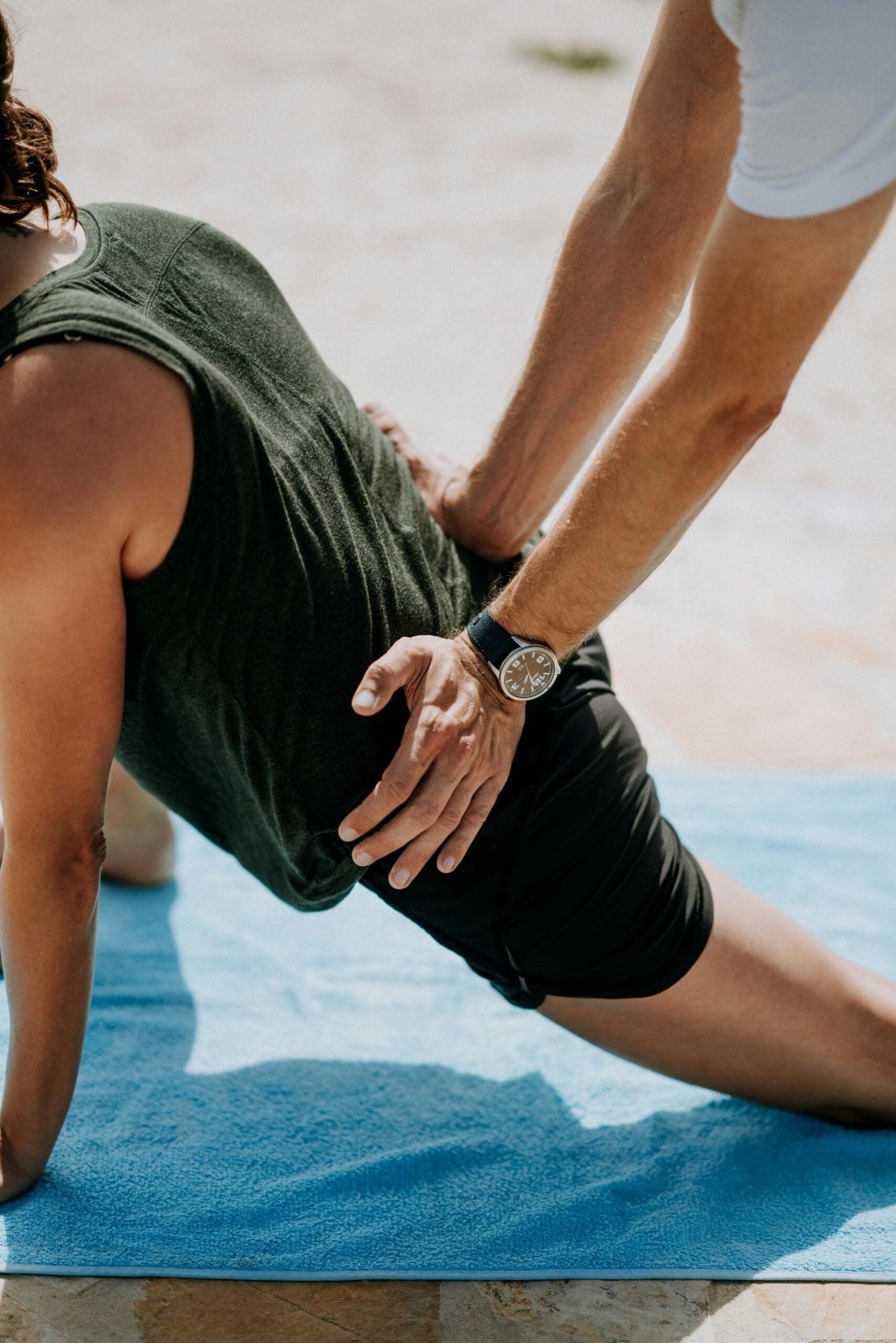
Advanced Manual Therapy Including dry needling, cupping, and Graston soft tissue therapy to target pain and improve tissue quality.
And here’s the best part: A session is a session. That means no surprise fees for dry needling or robotic care. Every visit is fully customized and fully included.

How does this actually help me play better golf?
By restoring proper mobility and mechanics, we help you:
-
Improve rotation through your hips and spine
-
Reduce low back strain from compensatory movement
-
Generate more power from your core (not your lower back)
-
Recover faster between rounds
Our TPI-certified Doctor of Physical Therapy understands how golf should feel—and how to fix the patterns causing breakdowns.
We work with golfers across Lake Orion, Oxford, Rochester, and Metamora who want to:
-
Fix the real root of their pain
-
Play without restriction
-
And get better, not just “loosened up”
Book your FREE 15-minute consultation with our TPI-Certified Doctor of Physical Therapy.
📱 Call: 248-690-5444 🌐 Visit: www.thera-performancelab.com 📍 Location: 146 S Broadway St #160, Lake Orion, MI
Ready to find the root cause?
If you've been working through back pain and want a root-cause path forward, this is the work Thera Performance Lab does every day. Sessions run inside our Sports Performance & Recovery track, typically anchored by the RX2600 Therapeutic Robot as one of the precision tools in a personalized kinetic-chain plan. If you golf, improve your golf game and eliminate pain is the natural next read.
Book a Complete Kinetic Chain Assessment — $99, no referral needed.