chronic elbow
Chronic Elbow Pain That Won't Heal Lake Orion
Tennis elbow and golfer's elbow are the last link in a long load chain. If rest, a brace, and a cortisone shot keep failing, the cause is usually at the shoulder and the grip. A root-cause guide for active adults in Lake Orion who refuse to slow down.
Start Feeling Better Today
Stop managing pain. Start hunting the cause.
$99 · No Referral Needed
The guide · 5
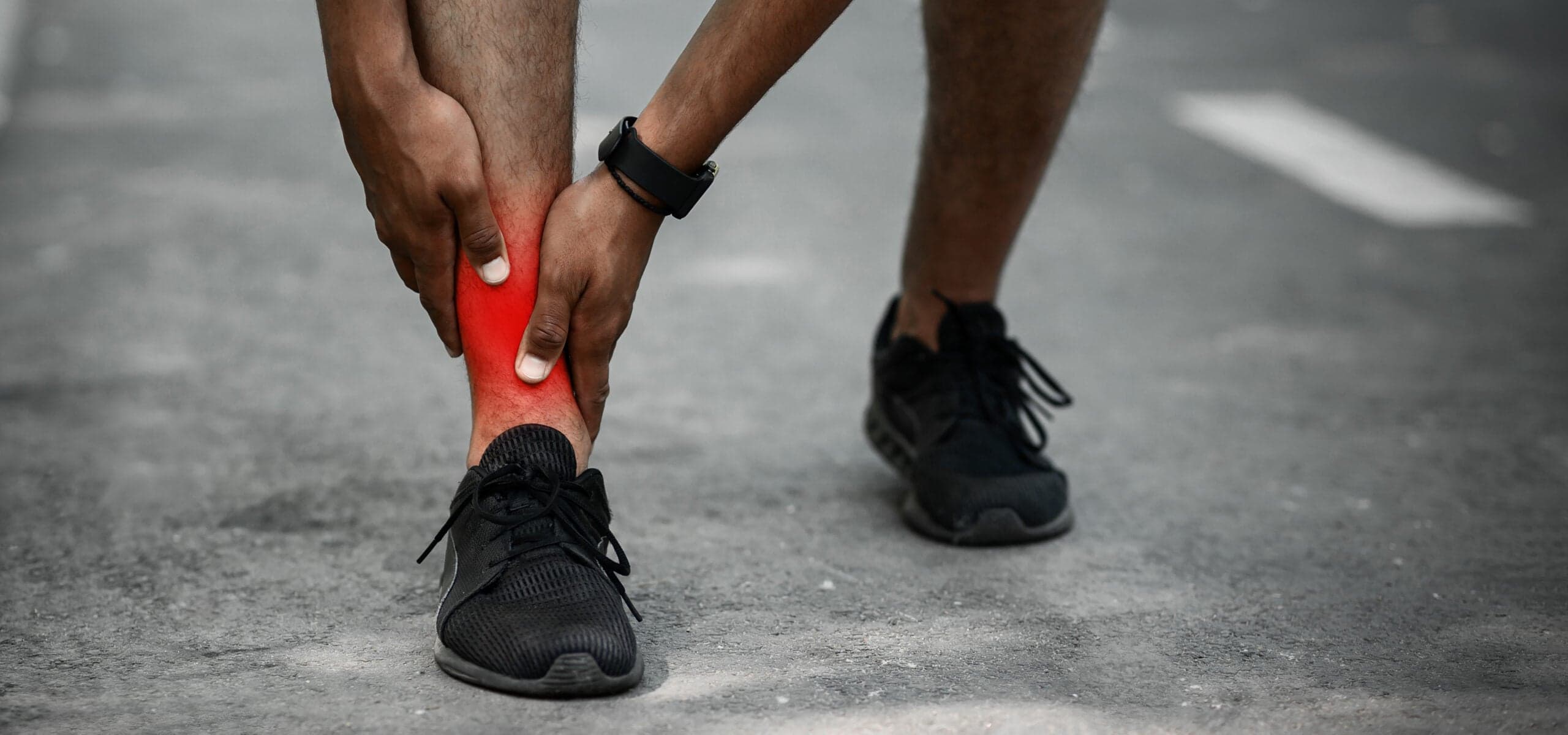
You typed it into your phone between sets, or after another night the ache woke you up rolling over: chronic elbow pain that won't heal Lake Orion. You've rested it, strapped on a brace, iced it, dropped the weight on your pulls, maybe taken a cortisone shot that bought a quiet month before the sharp catch came back the first time you gripped hard. So you already know the standard advice treats the elbow like the problem. Here is what nobody tells the won't-slow-down crowd: that cranky tendon on the inside or outside of your elbow is the last link in a chain that runs up to your shoulder and down into your grip. Calm the tendon, ignore the chain, and you will be right back here next season.
The kinetic chain angle
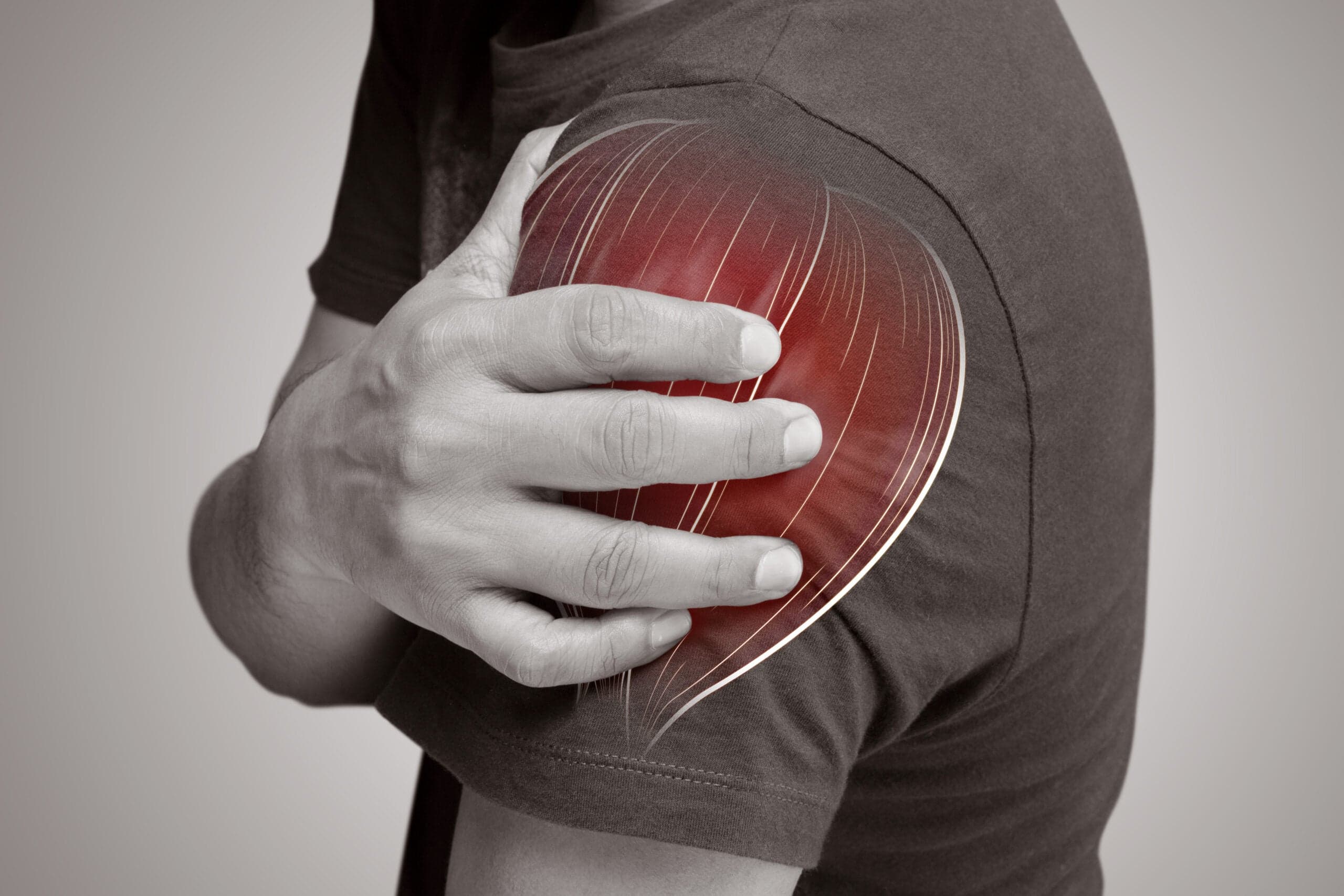
The pain shows up at the elbow. It almost never starts there. The tendon that hurts, on the outside with tennis elbow, on the inside with golfer's elbow (Mayo Clinic), sits in the middle of a load chain that runs from your neck and shoulder blade, through the upper arm, down into the forearm and grip. Every rep, that chain is supposed to share the work. When a link upstream stops doing its job, a shoulder blade that lost its position, a stiff thoracic spine, a grip that never relaxes between reps, the forearm overworks to cover the difference and the elbow tendon becomes the dumping ground for load it was never built to absorb. Our elbow pain condition guide breaks that chain down joint by joint.
This is not a hunch. When researchers compared people with lateral elbow pain to those without, they found altered shoulder-blade position and reduced shoulder and grip strength on the painful side, and concluded that treating the upper segments, not just the elbow, is essential to managing it (scapular position study, PubMed). That is why local fixes feel good for a day. A brace and rest offload the tendon right where it hurts, so it calms down. But the shoulder that still is not positioning tomorrow hands the same overload back to the forearm, and the cycle resets. The real question is not how do I quiet the tendon. It is what upstream is forcing it to absorb this much, and that upstream answer is the whole game with chronic elbow pain.
How we treat this one-on-one at Thera Performance Lab
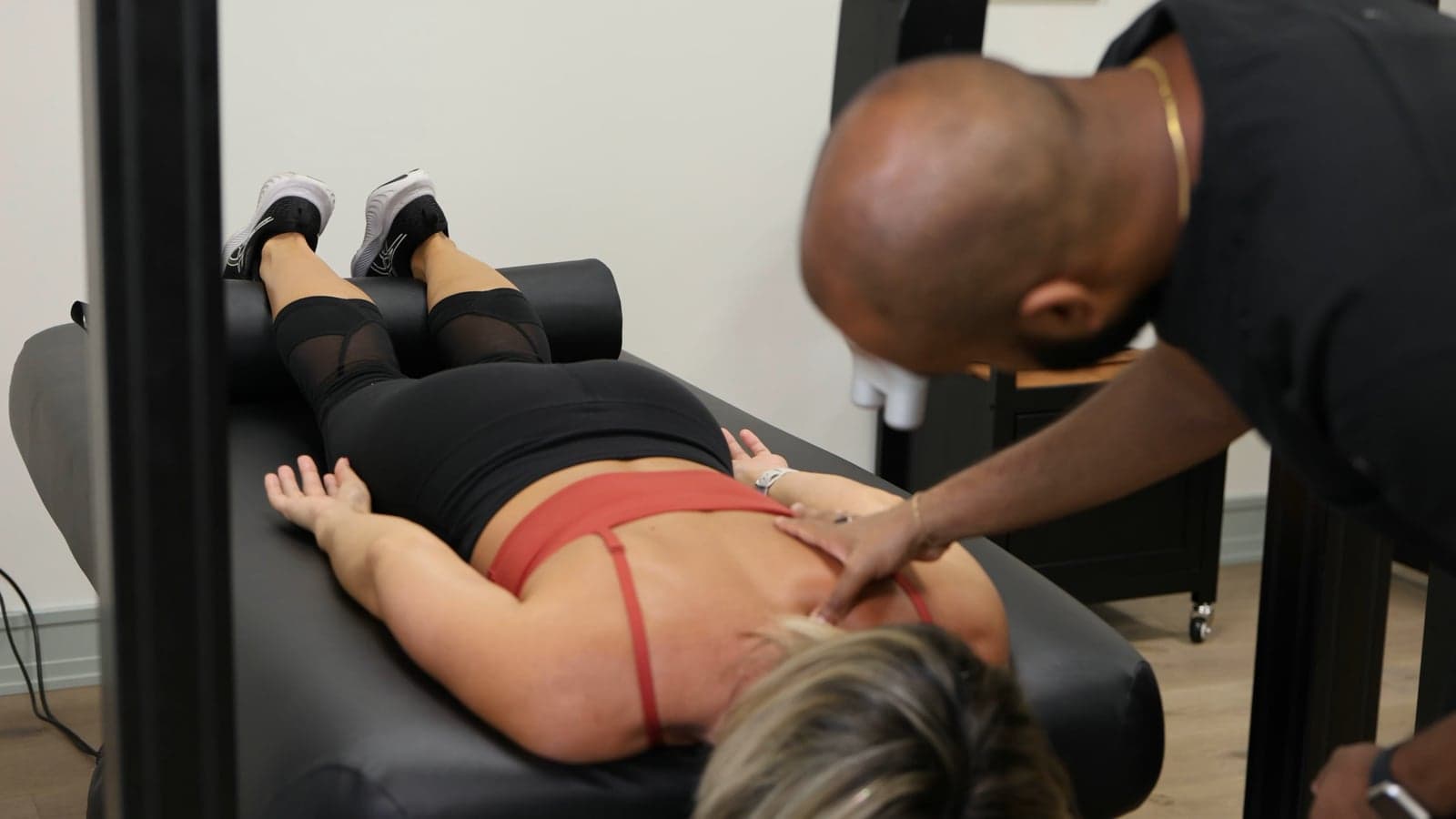
Every plan at TPL starts with the Complete Kinetic Chain Assessment: one hour, one-on-one with Dr. Mani, our Doctor of Physical Therapy. He does not press on the sore spot and hand you a stretch sheet. He maps the whole chain: how your shoulder blade sits and moves, whether the thoracic spine extends, how the forearm and grip load, where strength drops off. By the end of the hour you know which links are driving the overload, not just where it hurts.
From there we build the plan around what your chain is actually doing, not a diagnosis code. We work outside the insurance model, so sessions run as long as the work requires: cash-pay, with HSA and FSA accepted and receipts available for out-of-network reimbursement. Treatment usually pairs direct work on the angry tendon, dry needling into the forearm and the deep trigger points that refer into the elbow, with the upstream shoulder and thoracic work that changes how load reaches the arm in the first place. Then we rebuild the tendon's capacity with carefully dosed loading so it can take grip and pulling again without flaring. That two-part approach, calm the tendon and change the chain, is what our Pain Relief & Mobility track is built around: not a brace and a wait-and-see, but a plan that traces the pain back to the link driving it.
Why an elbow goes from sore to stubborn
There is a moment most people miss, where a tweak that should have settled in two weeks turns into a months-long companion. It usually is not because the tendon got more damaged. It is because the load never came off. The lifter keeps pulling through it because the program says so. The racket-sport player keeps serving because the season is on. The manual worker and the parent hauling a toddler do not get to rest a forearm on command. So the tendon stays loaded past the point where it can recover, and the body starts protecting it: the grip tightens, the shoulder guards, the forearm braces. Those protective patterns become their own drivers, feeding more load right back into the same tendon. That is the loop that turns a two-week annoyance into the thing you are searching about at midnight. Breaking it is less about resting harder and more about taking the overload off the tendon while keeping you moving, which is exactly what an assessment-led plan is built to do.
Frequently asked questions
Why won't my elbow pain heal, even after rest, a brace, and time off?
Because rest and a brace treat the tendon, and the tendon usually is not the cause. If a poorly positioned shoulder blade or a grip that never relaxes keeps overloading the forearm every time you lift or type, the tendon never gets a real break. It just gets briefly quieted. Until the upstream mechanics change, the pain returns the moment you load it again. That is why an elbow-only approach stalls on chronic elbow pain and a kinetic-chain approach holds.
Is tennis elbow different from golfer's elbow, and does that change treatment?
Tennis elbow is on the outside of the joint and involves the forearm extensor tendons; golfer's elbow is on the inside and involves the flexor tendons. The painful tissue differs, but the story is the same: a tendon overloaded by the chain above and below it. The chain drivers differ slightly, since shoulder and grip patterns push load to different sides, so your assessment finds which one is yours and the plan follows from there.
Do I need a referral or insurance to be seen in Lake Orion?
No referral, no insurance hoops. TPL works outside the insurance model, so you book directly and we spend the full hour on you. It is cash-pay, with HSA and FSA accepted, and we provide receipts if you want to pursue out-of-network reimbursement. Most people start with the $99 Complete Kinetic Chain Assessment and decide from there.
Will a cortisone shot or a brace fix it for good?
Either can calm an angry tendon and buy you a few good weeks, which is genuinely useful as a bridge. What neither does is change why the tendon is overloaded in the first place. The shot wears off, the brace comes off, and the same chain hands the forearm the same load. Most people get further combining that short-term relief with kinetic-chain work that fixes the cause, so the relief actually holds.
Ready to find the root cause?
If your elbow pain won't quit in Lake Orion no matter how many braces, rest weeks, and shots you've tried, the Complete Kinetic Chain Assessment is the right next step. One hour, one-on-one with a Doctor of Physical Therapy, full-body. We don't treat where it hurts. We hunt what's causing it.
Book your $99 Complete Kinetic Chain Assessment, no referral needed. We're in Lake Orion, MI, serving active adults across metro Detroit.
Book your assessment now or get in touch with a question first.